

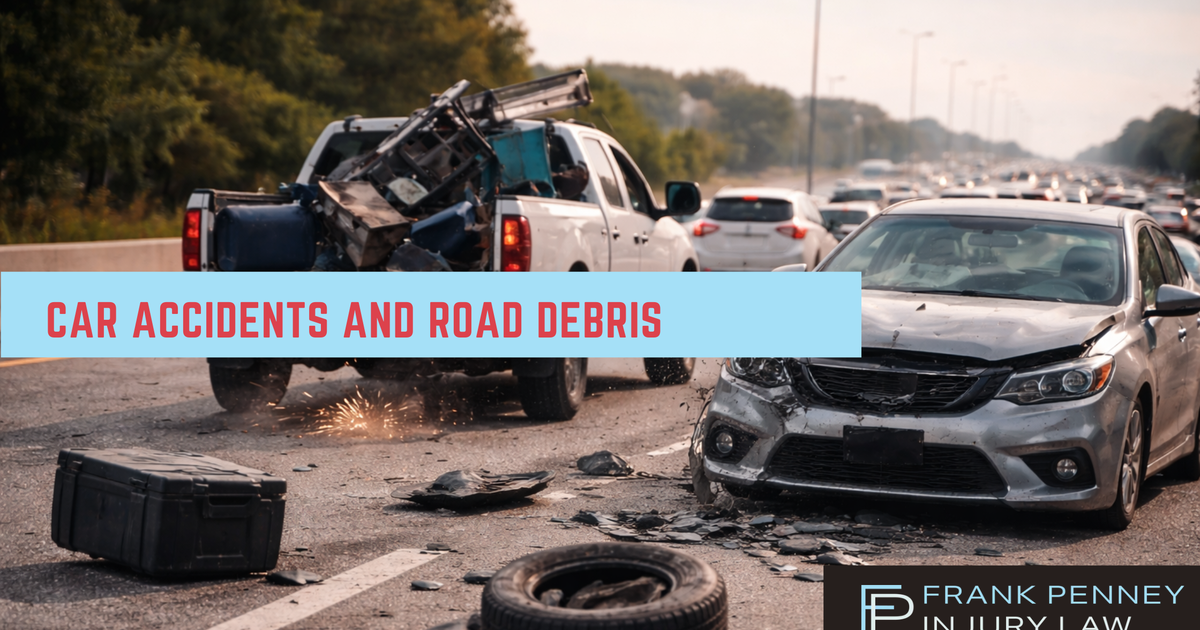
Every day, California highways are cluttered with flying objects from mattresses to construction equipment to loose cargo and even blown tires. However, to some people’s surprise, these hazards are more common than many drivers realize, and they cause thousands of accidents statewide every year.
If you were injured because something fell off another vehicle, you may be able to file a personal injury claim. However, liability for road-debris accidents can be complex and understanding your rights under California law and what steps to take is crucial to hold those responsible accountable.
What Is Considered Road Debris in California?
“Road debris” refers to any object that is not normally part of the roadway, including:
Cargo that falls off trucks (appliances, boxes, tools, furniture)
Improperly secured loads from pickup trucks
Detached vehicle parts like tires, bumpers, or tailgates
Construction materials from commercial vehicles
Landscaping equipment
Hazardous items such as gas cans or chemicals
Debris from prior accidents
Natural debris like fallen trees or branches after storms
California’s busy freeways and the high number of commercial vehicles mean these hazards are extremely common. However, it's important to note that road debris can come from any type of vehicle.
How Road Debris Accidents Happen
Road debris can cause accidents in several ways, like a loose object striking your vehicle directly and forcing you to swerve and crash, or if a falling object forces another driver to swerve away and collides into you as a result.
No matter what the object is, every road debris has the potential to cause a chain-reaction to create a multi-car pileup with staggering damages and injuries. Under California traffic law, drivers and trucking companies must secure their loads properly and ensure their vehicles are safe for the road.
California Laws for Secured Loads and Vehicle Safety
According to the state’s vehicle code (California Vehicle Code 24002), any act of driving a vehicle with unsecured cargo makes it illegal for drivers to operate them, especially if they are in a condition that endangers others. Additionally, California Vehicle Code 23114 requires all drivers to secure their loads so nothing spills, drops, or escapes from the vehicle.
For commercial trucks that are hauling loose materials (gravel, dirt, sand), California Vehicle Code 23115 states that they must use tarps or coverings to prevent any debris from spilling. Any failure to these state codes, will result in fines and civil liability.
What If You Can’t Identify the Vehicle? (Phantom Vehicle Claims)
Often, the vehicle that dropped the object cannot be identified especially if:
The debris was already on the road
The driver never stopped
The item detached without the driver noticing
The accident happened too quickly to see the vehicle
In California, if you have uninsured/underinsured motorist coverage (UM/UIM), you may be able to file a "phantom vehicle" claim. However, UM coverage typically requires a physical object to make contact with your car, or if you can prove the vehicle’s negligence through independent evidence (dashcam footage, eyewitnesses, police report, etc.). If you are struggling to create a claim to recover compensation, an experienced attorney can help determine if your UM policy applies.
Injured by Road Debris in California? We’re Here to Help
If you were hurt because something fell off another vehicle or you struck debris that should never have been on the roadway, you may be entitled to compensation. At Frank Penney Injury Lawyers, our attorneys understand how frustrating these cases can be and understand how to investigate them, locate the responsible parties, and fight the insurance companies on your behalf.
Call us today at 888-888-0566 or by filling out our online contact form for a free case consultation.